
Isolde
Vanthorpe
Ballet Critic & Movement Analyst
Writes about classical and contemporary ballet from a technical and cultural standpoint - examining what bodies do on stage, what choreographers intend, and where those two things diverge.
Trained before opinionated
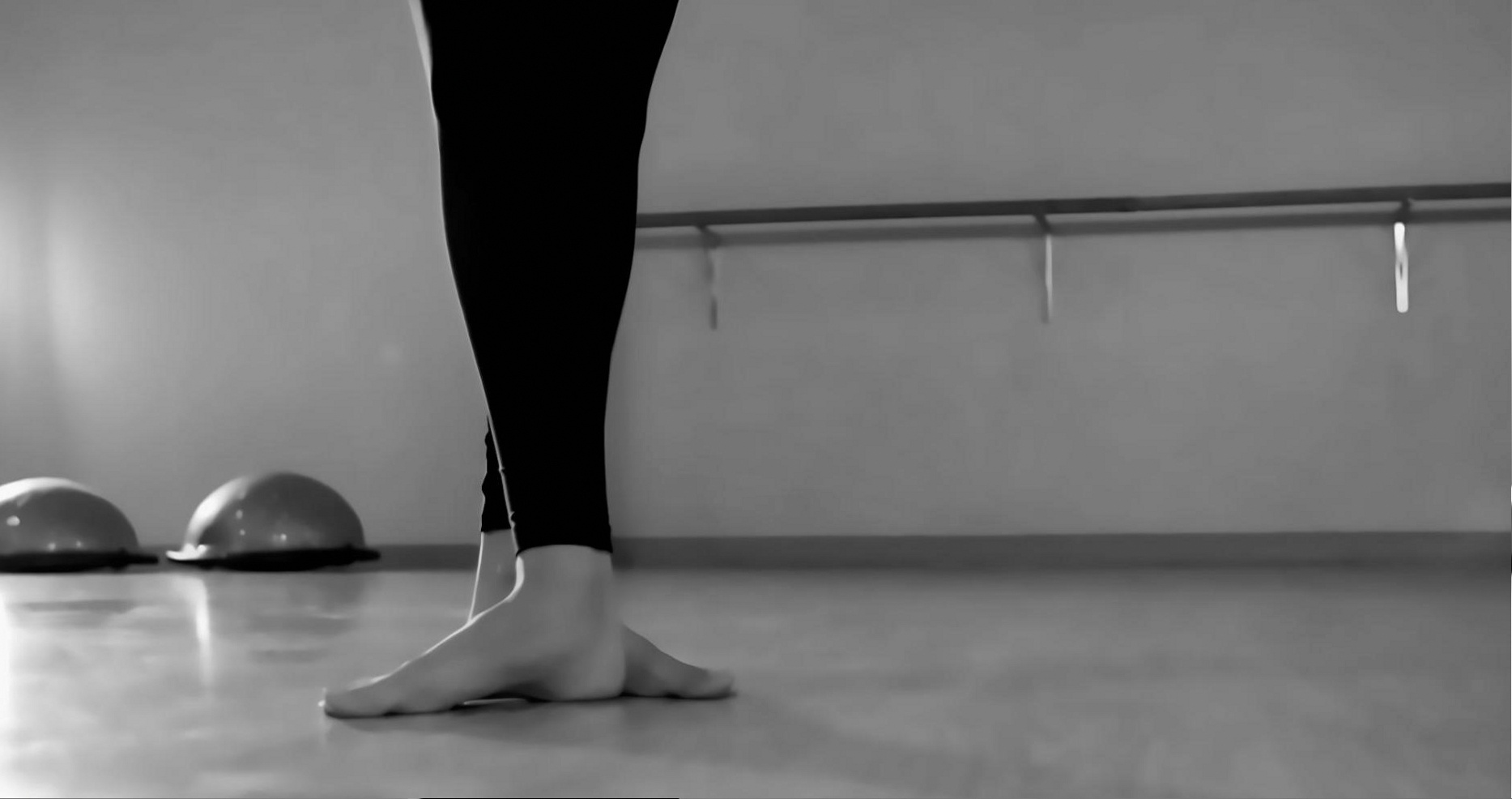
Spent twelve years at the barre before writing a single word of criticism. That background shapes everything - the way a tendu is set, how a corps holds its line during a supported adagio, where a principal's phrasing departs from the score. These are not abstract observations but physical memories, which makes the writing more precise and, occasionally, more impatient.
Started contributing to Promofinderdirect in 2016 after several years writing short-form reviews for regional dance publications. The shift to longer analytical pieces came from frustration with criticism that described what happened without explaining why it mattered technically or historically.
Three angles that shape every piece of writing here
Technical specificity
Descriptions of movement use anatomical and classical terminology accurately. A pirouette preparation matters as much as the rotation itself. Vague praise for "beautiful lines" without identifying which muscular patterns produce them is not useful criticism - it is decoration.
Choreographic intent vs outcome
Separates what a choreographer designed from what an audience actually receives. Those gaps are often where the most interesting questions live. A work can fail technically while succeeding as provocation, or achieve flawless execution while communicating nothing of substance.
Cultural and institutional context
Ballet does not exist outside economics, politics, and institutional history. Funding cuts, directorial appointments, and repertoire decisions all shape what appears on stage. Treating a performance as a sealed aesthetic object, disconnected from the company that produced it, produces incomplete analysis.
Colleagues and collaborators on the work
Reads criticism with a technical eye that most writers in this field simply do not have. The analysis of footwork in last season's Forsythe programme was the most accurate I have seen in print - and I was in the rehearsal room.
Benedikt Farre Dance Programme Director, Melbourne Arts Centre
Disagrees with me regularly and in print, which I find more useful than agreement. The piece on spatial tension in my 2022 work identified a structural problem I had not fully resolved - reading it was uncomfortable and clarifying in equal measure.
Alistair Quennell Choreographer, independent
Writing about ballet honestly means writing about its contradictions - the physical cost of the art form, the gap between institutional reputation and actual artistic risk, and the persistent difficulty of describing movement in words without flattening what makes it worth watching. These are problems worth staying with rather than resolving too quickly.